Home › Free › Zero-based budgeting in Australia: give every dollar a job
Zero-based budgeting in Australia: give every dollar a job

Zero-based budgeting sounds technical, but the idea is simple: give every dollar of your pay a job before you spend it, until there is nothing left unassigned. "Zero" does not mean zero in the bank. It means income minus everything you have planned equals zero, because savings, debt repayments and a buffer are jobs too. This guide explains how zero-based budgeting works for Australians, especially if you are paid fortnightly, and how to set one up without a subscription app.
How zero-based budgeting works
Start with the money you will actually receive this pay, after tax. Then list where it needs to go, in order of priority:
- Essentials: rent or mortgage, groceries, power, phone, internet, transport and insurance.
- Bills that are due before next payday: look at your bills calendar so nothing catches you out.
- Sinking funds: small regular amounts for bigger costs you know are coming, like car rego, Christmas or school costs.
- Debt repayments: minimums first, then any extra you can afford.
- Savings goals: an emergency fund, a holiday, a house deposit.
- Everyday spending: takeaway, coffee, hobbies and fun money. It is part of the plan, not a failure of it.
Keep assigning until the leftover is exactly zero. If you have money left over, give it a job, like extra savings or an extra debt repayment. If you are short, trim the flexible categories until it balances.
Zero-based budgeting on a fortnightly pay
Many Australians are paid fortnightly while most bills are monthly or quarterly. That mismatch is why monthly budget templates often feel wrong here. A zero-based budget works best when it follows your real pay cycle: one budget for each pay, covering the bills due before the next one.
Fortnightly pay brings a bonus too. There are 26 fortnights in most years, so some months have three paydays. If your budget is built around two pays a month, that third pay is a great candidate for savings or debt.
Zero-based vs envelope budgeting
The two are close cousins. Envelope or cash stuffing budgeting puts physical cash, or digital "envelopes", into categories. Zero-based budgeting is the planning rule behind it: every dollar goes into some envelope. You can use both together, using zero-based planning to decide the amounts and envelopes to stick to them. Read more in our envelope budget guide for Australia.
Is zero-based budgeting right for you?
It suits people who like a clear plan and want to stop wondering where the money went. It can feel like a lot of work at first, because you are making decisions about every dollar. After two or three pay cycles, most of the plan repeats and it becomes quick.
It can be trickier if your income changes a lot, for example with casual shifts or freelance work. In that case, budget from your lowest expected pay, and assign any extra when it actually arrives.

A worked example (made-up numbers)
Imagine a take-home pay of $2,000 a fortnight. Rent for the fortnight takes $900, groceries $300, transport $100 and power and phone bills due before next payday $150. That leaves $550. Then $60 goes to a rego sinking fund, $40 to a Christmas fund, $150 to an extra credit card repayment and $100 to an emergency fund. The last $200 is split between fun money and a small buffer. Income minus all of those jobs is exactly $0. These figures are only an illustration, so use your own numbers.
Common mistakes to avoid
- Forgetting irregular bills. Rego, insurance, school fees and annual subscriptions break budgets. Sinking funds smooth them out.
- No buffer. A small "oops" category for the unexpected keeps one surprise from ruining the plan.
- Being too strict. If there is no fun money, the budget usually does not last. Plan some.
- Not adjusting. If you overspend in one category, move money from another so the plan still balances. That is the system working, not failing.
- Budgeting from gross pay. Use your take-home pay, after tax and any salary sacrifice.
 Sole Trader Tax & BASTrack income, expenses and GST, see BAS figures by quarter, and estimate how much tax to set aside.See the app →
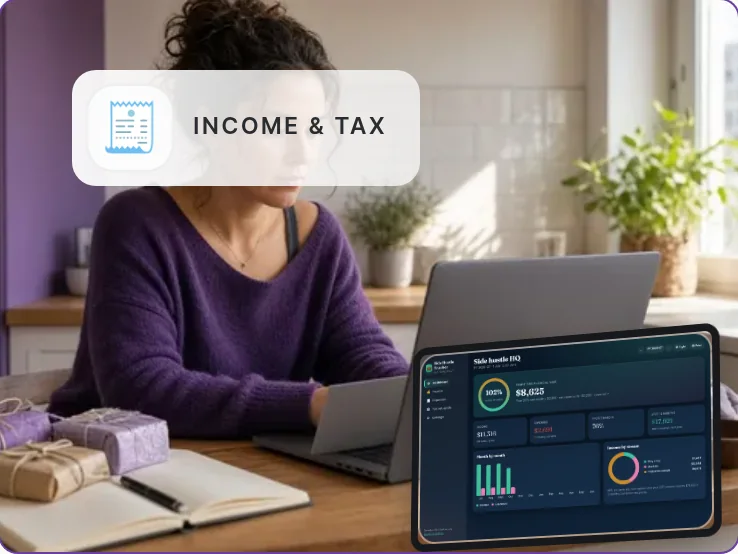 Side Hustle Tax TrackerTrack side-hustle income and expenses by Australian financial year, set money aside for tax, and watch the GST turnover threshold.See the app →
Zero-based budget app options in Australia
Popular zero-based budgeting apps are often built for the US market, run on subscriptions, and ask to connect to your bank. That suits some people. If you would rather pay once, keep your data on your own device and budget by Aussie fortnights, we built two apps that fit a zero-based approach.
Plan each pay around a fortnightly cycle so every dollar has a job before payday. It works offline in your browser, your data stays on your device, and there is no bank login. Secure checkout via Payhip.
See the Fortnightly Budget app · A$29
Our all-in-one: a payday-aware budget (weekly, fortnightly or monthly), bills calendar, savings goals, debt payoff and net worth dashboards, with bank CSV import. It works offline in your browser, your data stays on your device, and there is no bank login. Secure checkout via Payhip.
See the Money HQ app · A$59
Not sure which suits you? Browse all our apps side by side. Prefer something free first? Grab a free printable, no sign-up needed.
A five-minute zero-based budget to try this payday
Write your take-home pay at the top of a page. Below it, list your bills due before next payday and subtract them. Then subtract groceries and transport for the fortnight. Then set aside amounts for one sinking fund, one savings goal and any debt. Finally, give the remainder to fun money and a buffer. When the bottom line reads $0, you have a zero-based budget.
Frequently asked questions
What is a zero-based budget?
A budget where your income minus everything you plan to spend, save and repay equals zero, so every dollar has a job.
Does zero-based mean I spend all my money?
No. Savings, debt repayments and a buffer are jobs too. Zero refers to the unassigned amount, not your bank balance.
Does zero-based budgeting work with fortnightly pay?
Yes, and it often works better. Budget each pay separately, covering the bills due before the next payday.
Is there a zero-based budget app without a subscription?
Our Fortnightly Budget (A$29) and Money HQ (A$59) are one-off purchases that work offline with no bank login.
What if my income changes each week?
Budget from your lowest expected pay, and assign any extra once it lands.
General information only, not financial advice. For help with your situation, see moneysmart.gov.au or speak with a licensed financial adviser or a free financial counsellor.